Research & Theses
Self-Presentation in Climate Change Conversations between Alarmed and Concerned Individuals
Thesis Abstract
This study investigated how individuals with differing attitudes toward climate change—specifically those identified as Alarmed and Concerned—presented themselves and structured conversations about climate change. Using an experimental design with two conditions (aware and unaware), dyadic conversations were analyzed to determine the impact of knowing a partner's climate change attitude on self-presentation and conversational dynamics. Results indicated that in the aware condition, participants conformed to their assigned identities, with Alarmed individuals assuming a more dominant role and Concerned individuals displaying less confidence. Conversely, in the unaware condition, conversations featured more balanced turn-taking and mutual agreement, forming a shared mainstream proposition. These findings highlighted the role of identity-based assumptions in shaping climate change dialogues and suggested that awareness of interlocutors' attitudes influences conversational hierarchy and engagement. Understanding these dynamics provides new ways of thinking about everyday climate communication and how to encourage more effective interpersonal dialogue on climate action.
Habitus and Cultural Populism in Philippine YouTube Disinformation
Thesis Abstract
This thesis analyzed how two Filipino YouTube disinformation channels constructed their identities and promoted populist rhetoric amidst shifting political contexts under the Duterte and Marcos Jr. administrations. Using qualitative content analysis of videos responding to key press freedom events—the ABS-CBN franchise denial and the assassination of broadcaster Percy Lapid—the study applied Pierre Bourdieu's habitus and Reece Peck's cultural populism frameworks to examine creators' modes of self-presentation and media framing. Findings showed that while both creators framed a populist divide between a corrupt, elite-aligned establishment and the ordinary Filipino, their anti-institutional stances arose from distinct social formations. Both performed cultural populism through different cultural logics, yet shared patterns in how they framed their commentary, borrowed selectively from mainstream media conventions, and adapted their antagonism flexibly based on political context. This work highlights disinformation as a dynamic performance shaped by deeply held beliefs, contributing to understanding the interplay of style, disposition, and socio-political context in the influence of Philippine political content creators.
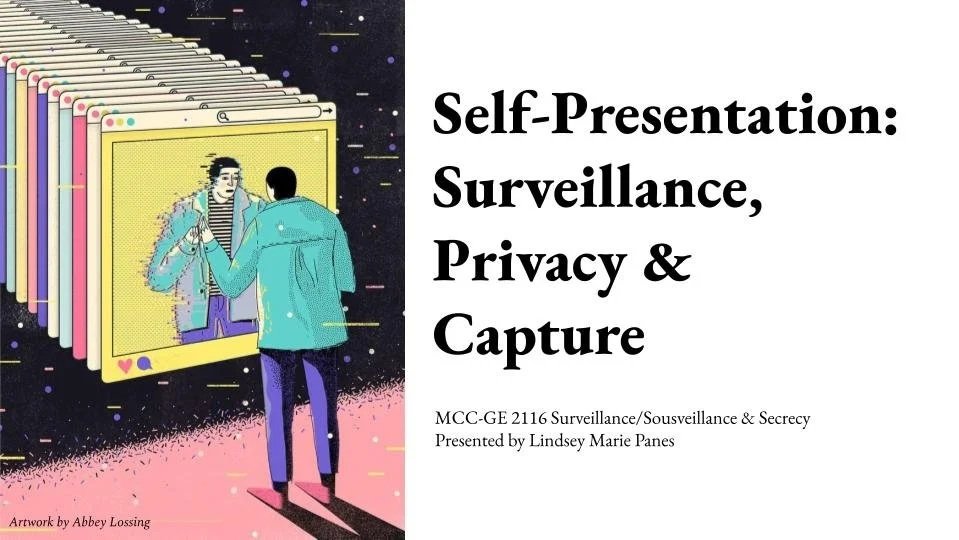
Self-Presentation: Surveillance, Capture,
and Privacy
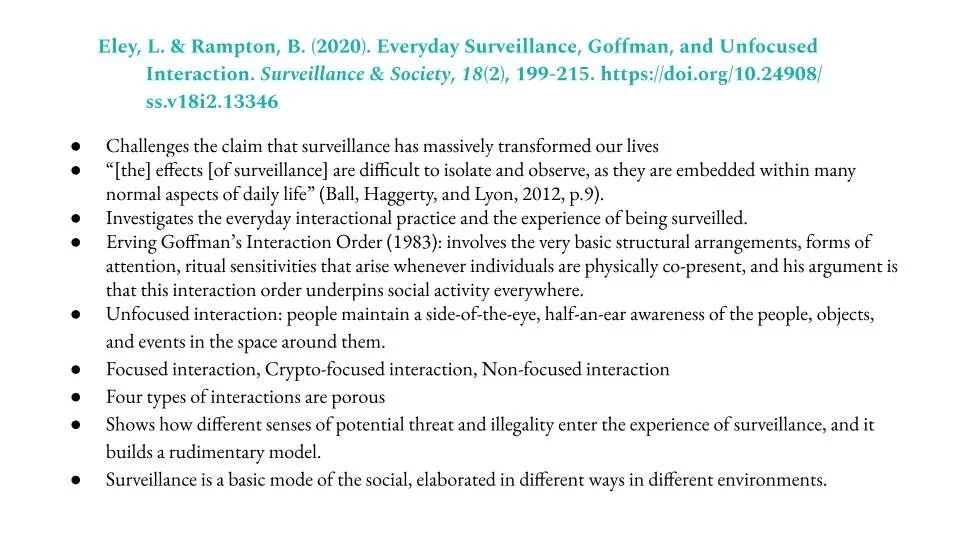
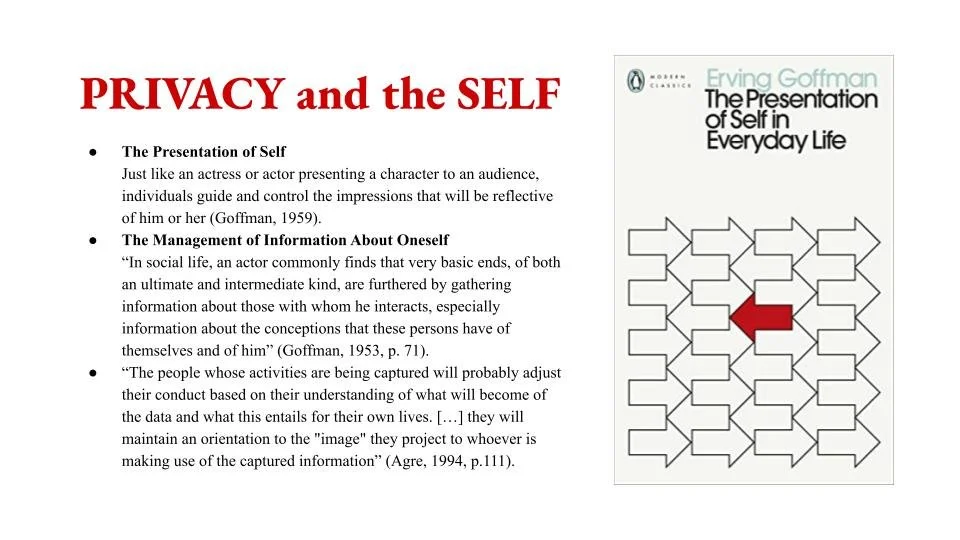
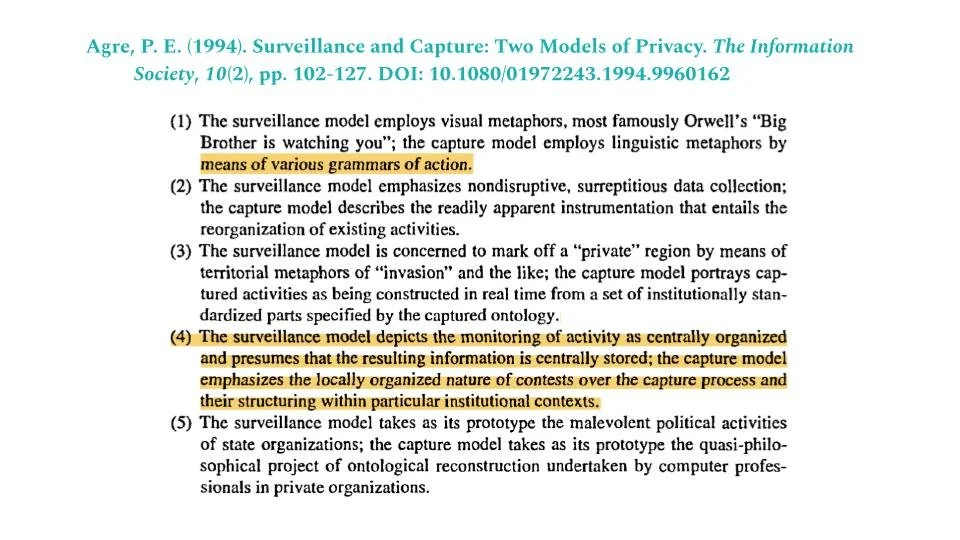
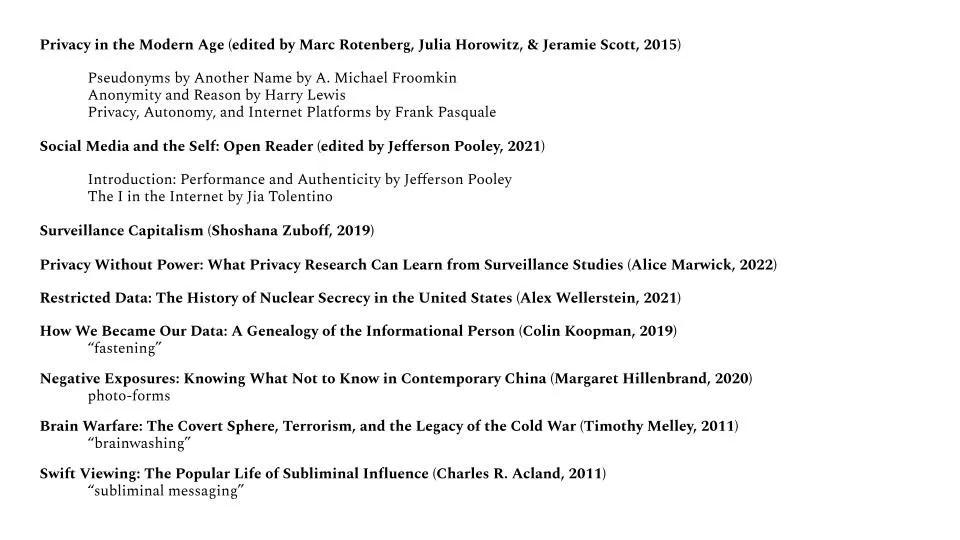
I explore the phenomenon of self-presentation through Erving Goffman’s concept of dramaturgy, examining how individuals manage privacy and secrecy while concealing and disclosing information about themselves. I also investigate how this management of self-presentation extends to online platforms, where efforts to maintain privacy are increasingly undermined by the platforms’ capture and use of personal and behavioral data for targeted purposes. This exploration underscores the importance of holding platforms accountable for the harms caused by their data-driven practices and their lack of transparency.
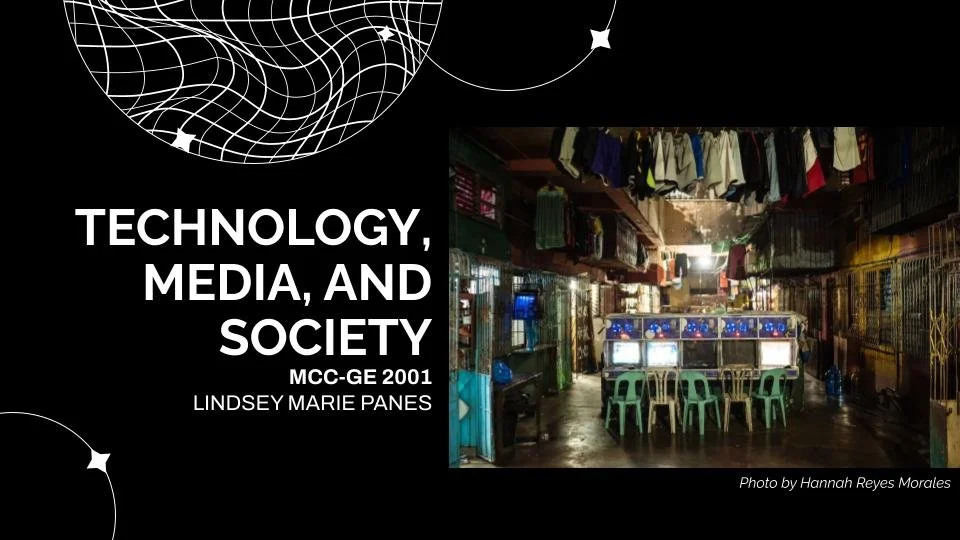
Technology, Media,
and Society
Lorem ipsum dolor sit amet, consectetur adipiscing elit, sed do eiusmod tempor incididunt ut labore et dolore magna aliqua. Ut enim ad minim veniam, quis nostrud exercitation ullamco laboris nisi ut aliquip ex ea commodo consequat. Duis aute irure dolor in reprehenderit in voluptate velit esse cillum dolore eu fugiat nulla pariatur. Excepteur sint occaecat cupidatat non proident, sunt in culpa qui officia deserunt mollit anim id est laborum.